🪔 Balinese Day of Silence
Balinese Day of Silence is the regional form of Hindu New Year and Temple Festivals in Indonesia · Bali, centered on temple blessings, purification rites, household offerings.
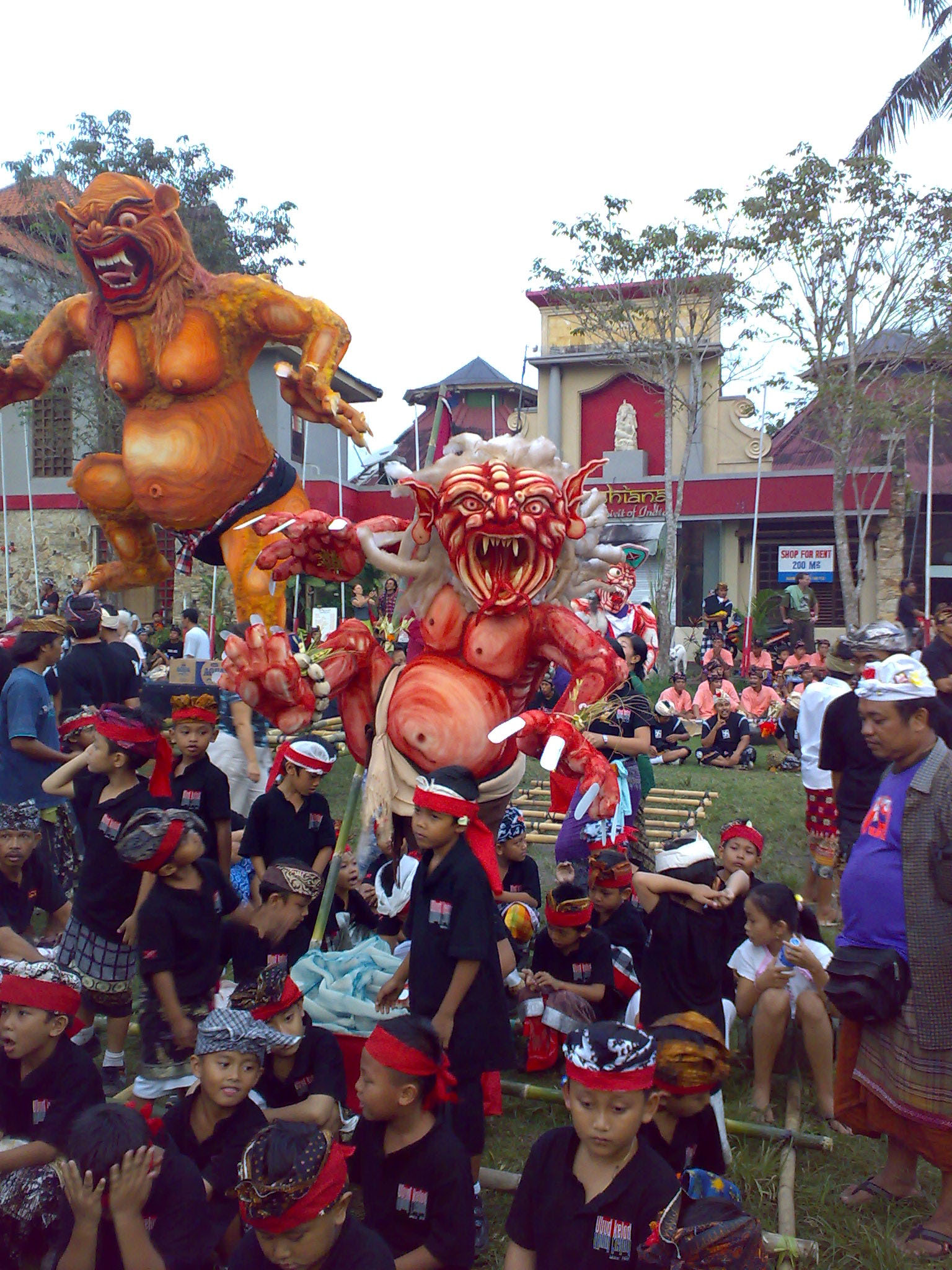
- temple blessings
- purification rites
- household offerings
- vegetarian foods
- rice foods
- festival sweets
- temple drumming
- traditional dance
Map-ready facts
This guide turns the Bali, Indonesia local version into a map-ready entry while keeping sources, calendar context, and cultural meaning visible.
- Source-backed guide: UNESCO Intangible Cultural Heritage, Encyclopaedia Britannica
- Festival core: Hindu New Year and Temple Festivals
- Cultural meaning: Hindu New Year and Temple Festivals matters because it turns devotion, ritual calendars, and sacred community time into a visible cultural system of time, place, family, and public ritual.
Continue in the 3D map
Open the map focused on the Bali festival card, with country, region, and festival context preserved.
Continue in the 3D mapVisual journey

AI-generated cultural illustration for MapDepth; not a documentary photograph.
- Balinese temple gate: A split gate and stone forms identify the Hindu temple space as Balinese.
- New Year oil lamps: Low oil lamps and garlands preserve the shared renewal cue.
- Purification basin: A purification basin and petals show the cleansing ritual before the Day of Silence.
- Vegetarian offerings: Banana leaves, rice, and fruit trays separate the offering area from the temple gate.
- Pre-silence drum corner: A restrained drum corner suggests the pre-silence procession while leaving the courtyard quiet.
Traditions and customs
- temple blessings
- purification rites
- household offerings
Food and symbols
- vegetarian foods
- rice foods
- festival sweets
- 供品
- 传统服饰
- 寺庙
When it is celebrated
Balinese Day of Silence is usually organized around Varies by local Hindu calendar and temple observance. Month: Mar / Apr / May / Sep / Oct / Nov / Dec
Balinese Day of Silence
Hindu New Year and Temple Festivals matters because it turns devotion, ritual calendars, and sacred community time into a visible cultural system of time, place, family, and public ritual.
Balinese Day of Silence details
- Celebrates: Balinese Day of Silence celebrates or commemorates Hindu New Year and Temple Festivals in Indonesia · Bali, centered on temple blessings, purification rites, household offerings.
- Local roots: The local form developed through Indonesia · Bali festival calendars, community organization, and public gathering spaces; timing usually follows Varies by local Hindu calendar and temple observance.
- Local history: Balinese Day of Silence turns the wider Hindu New Year and Temple Festivals theme into visible local practice in Indonesia · Bali: temple blessings, purification rites, household offerings, vegetarian foods sharing. These activities make the festival a cultural scene shared by households, neighborhoods, and public spaces rather than only a date on the calendar.
- Cultural meaning: This local version strengthens Indonesia · Bali community memory, seasonal rhythm, and local identity while preserving the core symbols of Hindu New Year and Temple Festivals.
Signature practices
- temple blessings
- purification rites
- household offerings
- vegetarian foods sharing
- rice foods sharing
Customs
- temple blessings
- purification rites
- household offerings
Food
- vegetarian foods
- rice foods
- festival sweets
Music / Dance
- temple drumming
- traditional dance
Symbols
- 供品
- 传统服饰
- 寺庙
FAQ
What is Balinese Day of Silence?
Balinese Day of Silence is the local form of Hindu New Year and Temple Festivals in Indonesia · Bali, with customs such as temple blessings, purification rites, household offerings.
When is Balinese Day of Silence celebrated?
Balinese Day of Silence is usually organized around Varies by local Hindu calendar and temple observance. Month: Mar / Apr / May / Sep / Oct / Nov / Dec.
What traditions are associated with Balinese Day of Silence?
Common traditions include temple blessings, purification rites, household offerings, vegetarian foods, rice foods, festival sweets.
Sources
Editorial sources support the festival background, local customs, and cultural notes on this guide.
- Lists of Intangible Cultural Heritage and the Register of Good Safeguarding Practices · UNESCO Intangible Cultural Heritage
- Feast · Encyclopaedia Britannica
Image credits
Image licensing and credit details match the visible image used on this page.
Photo: Jack Merridew · Public domain · license: Public domain · source page
Continue in the 3D map
Open the map focused on the Bali festival card, with country, region, and festival context preserved.
Continue in the 3D map